
Roofing Contractor in Lowell, MA Built for Ice, Snow and Triple-Deckers
Lowell roofs get a rough deal. Winters bring 50–60 inches of snow, subzero nights and dozens of freeze-thaw cycles. Most of the housing stock went up between 1880 and 1925, so you're dealing with flat triple-decker roofs, stacked porch roofs, steep dormers and brick chimneys that have been leaking since before anyone can remember. Lowell Roof Masters works with homeowners and landlords who need these roofs done right. We replace shingle roofs, chase down leaks, rebuild chimney and skylight flashing, install EPDM and TPO on multi-family porches and remove ice dams. Every replacement is detailed for New England weather, not just for passing inspection.
We know the difference between a Centralville three-decker with four porch roofs and a 1960s Chelmsford cape with a knee-wall attic that makes ice dams every January, and we price and plan each one accordingly. Our crews also work daily in Dracut, Tewksbury and Westford, plus Billerica and Tyngsborough. Every Lowell property owner gets a photo inspection so you can see what we saw. We pull the permits and handle the paperwork, and we clean the job site every evening, which matters on a tight lot where tenants still need to get to the door.
- ✓Bonded and insured
- ✓Financing available
- ✓Photo inspection on every roof
- ✓Permit handling included
- ✓Ice and water shield and balanced ventilation on every replacement
- ✓Clean job site every evening
- ✓Serving a 20-mile radius around Lowell
Request Your Free Estimate
No obligation. Fast, honest quotes.
Thank you — your request was sent!
A member of the Lowell Roof Masters team will reach out shortly. Need help now? Call (978) 718-9032.
Why Lowell Roofs Need a Contractor Who Knows the Merrimack Valley
A roof that would last 30 years in Virginia might give you 18 here. Lowell's weather, its mill-era housing and Massachusetts' building code all affect how a roof should be built. Here's what we plan for on every job, from the Acre to Graniteville.
A 100-Degree Swing, 50+ Inches of Snow and Constant Freeze-Thaw
January lows in Lowell average in the mid-teens, most winters bring a few subzero nights, and July highs reach the low-to-mid 80s. Over a year, your shingles, flashing and sealants expand and contract across a range of more than 100°F. Snowfall runs about 50–60 inches a year, and it's heavier inland in Westford, Tyngsborough and Carlisle. Total precipitation is around 45–48 inches. Late fall and early spring are the worst stretch, because a day of thaw followed by a hard freeze opens up cracks in flashing, chimney crowns and old shingles. Nor'easters between November and April push rain sideways under step flashing and lift ridge caps. Wet March snow can load a flat triple-decker roof heavily. Then summer thunderstorms bring straight-line winds, and mature pines and oaks drop limbs onto houses during ice storms.
Mill-Era Multi-Families, Victorians and Postwar Capes
Lowell was one of America's first planned industrial cities, and you can still see it in the houses. Thousands of wood-frame triple-deckers and two-families from 1880–1925 line Centralville, the Acre, Back Central, the Highlands and Pawtucketville. Most have low-slope main roofs that started as tar-and-gravel and have since been redone in EPDM, modified bitumen or TPO, plus porch roofs stacked several floors high. Belvidere and the Upper Highlands have Victorians with turrets, valleys and slate that's often still original. In the suburbs, the 1945–1975 capes and ranches in Billerica, Tewksbury, Dracut and Chelmsford have short overhangs and thin insulation, and they're prone to ice dams. Many are on their second or third asphalt roof, and some still have board sheathing instead of plywood underneath.
780 CMR, Permits, Lead Rules and Historic Boards
Massachusetts uses one statewide building code, 780 CMR, and each local building department enforces it. Re-roofing in Lowell normally needs a permit from the Lowell Building Department. The code requires a self-adhering ice barrier at the eaves that runs inside the exterior wall line. It also bans roofing over two or more existing layers, so many older homes need a full tear-off. Homes built before 1978, which covers most of Lowell and Lawrence, can trigger EPA RRP lead-safe rules once painted fascia or soffits are disturbed. Visible roof changes in Lowell's downtown historic district may need Lowell Historic Board review. Concord, Andover and Chelmsford Center have their own historic commissions, and condo associations in Westford, Chelmsford and Billerica often set rules on color, material and which contractors can bid.
Owner-Occupants, Landlords and Premium Homeowners
Lowell has about 115,000 residents, and a lot of its homes are owner-occupied two- and three-families. In those buildings, a roof leak also means tenant complaints, lost rent and possible code enforcement. These owners need honest repair-versus-replace advice and financing. Out in Andover, Concord and Bedford, homeowners are more likely to ask about designer shingles, copper and slate, and they expect detailed proposals and contractors who respect historic architecture. Insurance pressure on older roofs and strong solar adoption in Massachusetts lead plenty of owners to replace sooner than they planned.
Common Roofing Problems in Lowell and the Merrimack Valley
Most of the calls we get come down to a handful of problems, and they keep showing up because of how the houses here were built and the weather they sit through. Knowing why your roof is failing is how you avoid paying to fix the same problem twice. Here's what we find most often, from most urgent to least.
Ice Dams and Ice Dam Leaks Emergency
An ice dam is a ridge of ice at the eaves. Snow higher on the roof melts, the water runs down to the cold overhang and refreezes there, and the meltwater that follows backs up under the shingles and leaks into walls and ceilings.
Why it's common hereLowell's postwar capes and older multi-families were built with thin insulation, knee-wall attics and weak ventilation. Heat escapes into the roof deck and melts snow even on cold days. With 50–60 inches of snow a year and many days that thaw and then freeze hard, conditions for ice dams come back again and again. Short overhangs on 1950s–60s homes in Billerica, Tewksbury and Dracut leave little room for error, and older roofs installed before ice-barrier requirements usually have no membrane at the eaves at all.
Signs you'll notice- Thick ice ridges and long icicles along the gutters
- Brown water stains on ceilings near exterior walls
- Wet or peeling paint on interior walls below the eaves
- Soaked attic insulation or frost on the underside of the roof deck
- Gutters pulling away from the fascia
- Water dripping from soffits or window headers
We see the most ice dams on capes in Pinehurst, North Billerica and Collinsville, and on Highlands two-families with finished third floors. They peak in late January and February after a big storm, when a cold snap follows a few sunny afternoons.
Our fix: We do safe steam removal first and repair any interior leak points. The lasting fix is ice and water shield, balanced soffit-to-ridge ventilation, insulation upgrades and, where it makes sense, heat cable.
Storm and Wind Damage Emergency
Shingles, ridge caps or flashing that get lifted, creased or torn off by high winds, plus punctures and structural damage from falling limbs. Once the roof is open, water gets in quickly during the same storm.
Why it's common hereNor'easters hit the Merrimack Valley from November to April with strong gusts and sideways rain, and summer thunderstorms bring straight-line winds and sometimes small hail. The region has a lot of mature white pines and hardwoods, especially in Chelmsford, Westford, Andover and Concord, and ice storms bring limbs down onto roofs. Older shingles whose sealant strips have dried out lift much more easily, so a 20-year-old roof can lose whole sections in a storm that a newer one would ride out.
Signs you'll notice- Shingles or tabs in the yard after a storm
- Exposed black underlayment or bare decking
- Creased or flapping shingles along the edges and ridge
- A limb or tree resting on the roof
- New active leaks during wind-driven rain
- Dented flashing, vents or gutters
Wooded lots in Graniteville, West Concord and Ballardvale take most of the tree damage. Tall, exposed triple-deckers in Centralville and Pawtucketville catch the hardest wind on their ridges and porch roofs.
Our fix: We tarp and seal the roof right away to stop water, photograph everything for your insurance claim, then do a permanent repair or replacement once the scope is approved.
Chimney Flashing and Chimney Leaks Serious
Water getting in where the brick chimney meets the roof. It's usually caused by failed step and counter flashing, a cracked crown or deteriorated mortar joints, and it often looks like an attic or ceiling leak with no obvious source.
Why it's common hereNearly every older home in the region has a brick chimney, and freeze-thaw cycles are hard on masonry. Water soaks into the crown and mortar, freezes, expands and opens the joints a little more each winter. Many chimneys still have old tar patches or counter flashing that was never properly cut into the mortar joints. Massive central chimneys on antique homes in Concord, Carlisle and Chelmsford Center have more perimeter to seal, and Victorian chimneys in Belvidere often sit right in a valley.
Signs you'll notice- Stains on the ceiling or wall next to the chimney
- Tar or caulk smeared around the chimney base
- Cracked or crumbling chimney crown
- Missing or loose mortar between bricks
- Rusted or lifted metal flashing
- Damp, musty smell near the fireplace
This shows up most on mill-era two-families in Back Central and South Lowell, and on 1920s–1950s colonials across Dracut and Methuen. Leaks usually start in March and November, when freeze-thaw cycling is at its worst.
Our fix: We install new step and counter flashing cut into the mortar joints, add a cricket on wide chimneys, and repair the crown or repoint loose joints where needed.
Failing Flat Roofs and Porch Roofs on Multi-Families Serious
Splitting seams, ponding water, blisters or shrinkage in the low-slope membrane, which might be EPDM, TPO, modified bitumen or old rolled roofing, on triple-decker main roofs and stacked porch roofs.
Why it's common hereLowell and Lawrence have thousands of triple-deckers with nearly flat main roofs and three levels of porch roofs. Each porch roof is its own leak point. Many were patched over several times with rolled roofing or tar. Heavy, wet late-season snow loads these roofs, drifts collect against parapets, and freeze-thaw opens up seams. Built-in or wood gutters and parapet walls trap water. Owners often don't notice until a tenant reports a leak, by which point the decking is usually soft.
Signs you'll notice- Water that stays on the roof 48 hours after rain
- Lifted or split seams in the rubber or membrane
- Bubbles and blisters in the surface
- Soft or spongy spots underfoot
- Ceiling stains in the top-floor unit or on porch ceilings
- Cracked flashing at parapets and walls
We see this all the time on triple-deckers in the Acre, Centralville and the Highlands, and on Lawrence's North and South sides. Parapet and porch-to-wall connections fail first, especially on north-facing porches.
Our fix: Depending on how much is left, we repair seams, patch and coat, or tear off and install new fully adhered EPDM or TPO with tapered insulation to drain ponding.
Aging 1990s–2000s Shingles Moderate
Builder-grade 3-tab and early architectural shingles at the end of their life. They curl, crack, lose granules and lose their seal, which means they leak more often and blow off more easily.
Why it's common hereA lot of the colonials and garrisons built in Westford, Chelmsford, Andover, Tyngsborough and North Andover from the 1980s through the 2000s still have their original builder-grade roof. With a 100°F annual temperature swing and strong summer sun on south and west slopes, they age faster than the label suggests. Some insurers now non-renew or limit coverage on older roofs, which forces the decision on owners who'd rather wait.
Signs you'll notice- Curled or cupped shingle edges
- Bald patches and granules collecting in gutters
- Cracked or missing tabs
- Black algae streaks on north slopes
- Leaks around skylights and valleys
- An insurance letter flagging roof age
This is widespread in subdivisions in North Chelmsford, Westford, Tyngsborough and Andover, where large, complex roofs with skylights and many valleys are now 20–30 years old. South-facing slopes usually wear out first.
Our fix: We'll tell you honestly whether repair or replacement makes more sense. A replacement uses architectural shingles, a full ice barrier, new flashing and balanced ventilation.
Clogged Gutters, Valleys and Moss Minor
Leaves, pine needles and debris that build up in gutters and roof valleys and hold moisture. That moisture feeds moss and algae and sends water back under the roof edge.
Why it's common hereHeavy tree cover in Westford, Carlisle, Concord, Andover and Chelmsford fills gutters within weeks every fall. Shaded north slopes stay damp and grow moss, which lifts shingles. Clogged gutters freeze solid in winter, help ice dams form and get torn off by snow and ice. Gutters on older homes are often undersized to begin with.
Signs you'll notice- Gutters overflowing during rain
- Plants or seedlings growing in the gutters
- Green moss on shaded slopes
- Debris piled in valleys
- Sagging or detached gutter runs
- Rotted fascia boards
This is worst on pine-heavy lots in Graniteville, Carlisle and West Concord. Mid-November, after leaf drop and before the first hard freeze, is the window for cleanup.
Our fix: We clear the valleys, treat moss, replace damaged fascia and install gutter guards and snow-load-rated gutters sized for New England runoff.
Roofing Services for Lowell Homes, Multi-Families and Commercial Buildings
One Lowell property can have a rubber main roof, shingled dormers, three porch roofs and a chimney that leaks. We handle all of it under one contract, so you aren't coordinating three trades. Here's how our services fit the roofs we actually work on across the Merrimack Valley.
Ice Dam Removal, Winter Leak Repair and Prevention ⭐ Specialty
Professional ice dam removal, gutter ice removal, roof snow removal, ice dam leak repair, repair of water damage from ice dams, roof leak repair in winter, and roof heat cable and tape installation.
Our approachWe cut ice dams with low-pressure steam, which doesn't damage shingles, and we never chip with hatchets. Snow is raked off safely to relieve load. We then trace the cause, whether that's ventilation, insulation or a missing ice barrier, and give you a permanent fix.
In Lowell, MAIce dams are the number-one winter emergency in Lowell. We clear capes in Billerica and Tewksbury, Highlands two-families and wooded colonials in Westford, then help owners make sure it doesn't happen again next January.
Best for: Homeowners with ceiling stains, ice ridges at the eaves or heavy snow loads, and anyone who has fought ice dams more than one winter in a row.
Flat Roofs: EPDM, TPO and Porch Roofs ⭐ Specialty
Flat roof repair, flat roof replacement, TPO roofing, EPDM rubber roofing, roof coating application and roof waterproofing for triple-decker main roofs, stacked porch roofs and low-slope additions.
Our approachWe tear off down to sound decking, add tapered insulation where water ponds, and install fully adhered EPDM or heat-welded TPO with proper parapet and wall flashing. Where the membrane still has life, a coating can be a cost-effective option.
In Lowell, MAWe built this service around Lowell's mill-era multi-families in the Acre, Centralville and Back Central, and around Lawrence triple-deckers. That means tight lots, narrow streets, stacked porches and tenants who need access every day.
Best for: Owner-occupants and landlords of two- and three-family homes with ponding, split seams or porch-ceiling leaks affecting rental units.
Asphalt Shingle Roof Replacement and Installation
Roof replacement, roof installation, asphalt shingle installation, architectural shingles, 3-tab shingle roofing and winter roof replacement for single-family and multi-family homes.
Our approachEvery replacement is a full tear-off where code requires it, followed by deck repair, ice and water shield at the eaves and valleys, synthetic underlayment, drip edge, new flashing and balanced soffit-to-ridge ventilation. For winter installs, we use temperature-sensitive methods such as hand-sealing.
In Lowell, MAWe replace 1990s–2000s builder-grade roofs in Chelmsford, Westford and Andover, and roofs on second- and third-layer capes in Dracut and Billerica. If solar is coming, we can make the roof solar-ready before the panels go on.
Best for: Roofs over 20 years old, homes with two existing layers, owners facing insurance non-renewal, and anyone planning a solar install.
Roof Repair, Leak Detection and Shingle Repair
Roof repair, roof leak detection and repair, roof shingle repair, roof patching, roof damage repair, skylight leak repair and emergency roof repair on every roof type we work on.
Our approachWe trace water back to its real source, often well uphill from the stain, then replace damaged shingles, reseal penetrations and rebuild skylight flashing. Every repair is photographed so you can see before and after.
In Lowell, MANor'easter leaks on Centralville triple-deckers, skylight leaks on Tyngsborough contemporaries and leaks at valleys on complex Belvidere Victorians are all routine jobs for our crews.
Best for: Roofs with plenty of life left that have one or two trouble spots, or owners who need an honest answer on whether a repair makes sense.
Chimney Flashing, Roof Flashing and Drip Edge
Chimney flashing repair, chimney leak repair, roof flashing, roof drip edge flashing, roof flashing for metal roofs and steel roof flashing.
Our approachWe install step flashing woven into each shingle course, counter flashing cut into the mortar joints and crickets on wide chimneys. Drip edge goes on to code, and on metal roofs we use matched, properly fastened metal flashing details.
In Lowell, MAFreeze-thaw cycles break down chimney flashing and crowns across Lowell, Dracut and Methuen. Old tar patches don't hold up through a Merrimack Valley winter, and real flashing does.
Best for: Homes with recurring leaks near the chimney, sidewalls or skylights, and roofs with tar-patched or rusted flashing.
Emergency Roof Tarping and Storm Response
Emergency roof tarping, roof tarp installation, emergency roof repair and storm damage documentation after nor'easters, ice storms, tree falls and summer wind events.
Our approachWe secure heavy-duty tarps over the damaged area, battened so they hold, and seal open penetrations. Then we photograph the damage in detail so your insurance adjuster has clear documentation.
In Lowell, MAAfter big storms, out-of-town crews flood the Merrimack Valley. We're local, we stay to do the permanent repair, and we know how wooded lots in Westford and Concord tend to get hit.
Best for: Active leaks, tree impacts, missing roof sections or any damage that can't wait for a scheduled visit.
Metal Roofing: Standing Seam, Steel and Corrugated
Metal roof installation, standing seam metal roofs, residential metal roofing, steel roofing, corrugated metal roofing and metal roof repair.
Our approachWe install concealed-fastener standing seam panels with proper underlayment, ice barrier and snow guards to control snow sliding onto walkways. On corrugated roofs, we replace failed fasteners, reseal seams and fix damaged panels.
In Lowell, MAMetal sheds snow well and handles freeze-thaw, which makes it a strong choice for low-slope porch roofs, barns in Carlisle and Westford, and homeowners in snowier inland towns who want a roof that will last for decades.
Best for: Long-term owners, outbuildings, low-pitch sections and homes in heavy-snow areas where shedding snow is a priority.
Slate, Cedar Shake, Tile and Copper Roofing
Slate roof installation and repair, cedar shake roofing, tile roofing and copper roofing, including copper flashing and box-gutter details on historic and high-end homes.
Our approachWe replace slate piece by piece with slate hooks or copper nails, rebuild copper valleys and flashing, and install cedar with breathable underlayment. If your home needs historic-commission approval, we prepare documentation for the review.
In Lowell, MABelvidere and Highlands Victorians, antique homes in Concord and Carlisle and Andover estates need people who understand traditional materials and Lowell Historic Board or local commission review.
Best for: Historic homes, premium remodels and owners who want to keep original slate or upgrade to natural materials.
Roof Inspection, Maintenance and Restoration
Roof inspection, roof maintenance, roof restoration, roof coating and pre-purchase or insurance-driven roof condition reports.
Our approachEvery inspection is photo-documented. We check shingles, flashing, chimneys, attic ventilation and decking, then give you a written summary with priorities, rough costs and an honest timeline.
In Lowell, MAThis is useful for landlords managing several Lowell properties, buyers looking at older multi-families, and owners whose insurers are asking about roof age.
Best for: Annual checkups, post-storm reviews, real estate transactions and anyone who wants to plan a budget before something fails.
Ventilation, Soffit, Fascia and Gutter Guards
Roof ventilation installation, soffit and fascia installation and gutter guard installation to protect the roof edge and keep the attic dry.
Our approachWe open up continuous soffit intake, install ridge vents, add baffles, replace rotted fascia and install gutter guards that keep out pine needles and hold up under snow load.
In Lowell, MAUnder-ventilated capes in Wilmington and Tewksbury and tree-covered lots in Chelmsford and Andover benefit most. Pre-1978 trim is handled with lead-safe practices.
Best for: Homes with ice dams, attic moisture, rotted trim or gutters that clog every fall.
Commercial Roofing and Commercial Roof Repair
Commercial roofing and commercial roof repair on low-slope membrane roofs, mixed-use blocks, small mill-loft condo buildings and multi-unit residential properties.
Our approachWe repair and replace membranes, re-flash parapets, maintain drains and scuppers and provide documentation for associations. We supply the proof of insurance and bid paperwork that boards usually require.
In Lowell, MADowntown Lowell's older commercial blocks and converted mill properties have large membrane roofs, parapets and masonry stair towers that need commercial-grade detailing and careful scheduling.
Best for: Condo associations, property managers, landlords and small business owners with flat or low-slope roofs.
How a Roofing Project Works with Lowell Roof Masters
No surprises, no vague estimates and no dumpster blocking your tenants for two weeks. Here's how a typical job runs, from the first inspection to the final cleanup.
Photo Inspection
- We inspect the roof surface, flashing, chimneys, skylights and gutters
- We check the attic for ventilation, insulation and deck condition where accessible
- We photograph every problem area
- We walk you through the photos so you see what we saw
Local note: On triple-deckers, we inspect each porch roof separately, since each one can leak on its own.
Written Proposal and Options
- Itemized scope covering tear-off, decking, ice barrier, ventilation and flashing
- Repair-versus-replace options where both make sense
- Per-sheet decking prices stated up front so a change order doesn't surprise you
- Financing options explained if you want them
Local note: For condo associations and historic districts, we format the proposal for board or commission review.
Permits and Scheduling
- We file the building permit with Lowell or your town's building department
- We coordinate any historic-board or HOA approvals
- We plan dumpster placement, and street occupancy if needed
- We give tenants or neighbors notice
Local note: Narrow streets in Centralville, the Acre and Lawrence often need parking coordination. Spring through fall books up fast, so call early.
Installation
- Landscaping, siding and windows are protected before tear-off
- Full tear-off, then deck repair as needed
- Ice and water shield, underlayment, flashing and ventilation installed
- The job site is cleaned and the roof secured every evening
Local note: Painted trim on pre-1978 homes is handled with lead-safe practices. In winter, we use cold-weather installation methods and watch the forecast closely.
Final Walkthrough and Closeout
- Magnetic sweep for nails across the yard and driveway
- We schedule the final permit inspection where required
- Completion photos are shared with you
- We review care and maintenance, such as gutter cleaning and snow raking
Local note: We give you the paperwork your insurer may ask for to show a new roof was installed.
Why Lowell Property Owners Choose Lowell Roof Masters
We Build for New England Winters, Not Just for Inspection
Every replacement we do includes ice and water shield and balanced attic ventilation. That isn't an upsell. It's the difference between a roof that stays dry in February and one that leaks onto your ceiling. Code requires an ice barrier at the eaves, but a lasting roof here also needs intake and exhaust venting matched to the attic, flashing that holds up through freeze-thaw, and shingles installed to their wind rating. We've seen what nor'easters and ice dams do to roofs that cut corners, and we don't build them that way.
We Know Lowell's Mixed-Roof Multi-Families
A Centralville triple-decker can have an EPDM main roof, shingled sections and three stacked porch roofs, each with its own flashing details. Many contractors only do shingles, or only do flat roofs. We do both, so you get one crew, one schedule and one point of responsibility. We also understand the practical side of these buildings, like tenants who need access, tight lots, shared driveways and narrow streets where dumpster placement has to be planned before we show up.
Bonded and Insured, and Happy to Prove It
Lowell Roof Masters is bonded and insured, and we'll provide certificates before any work starts. That matters even more after big storms, when out-of-town crews knock on doors across the Merrimack Valley. Massachusetts also has Construction Supervisor License and Home Improvement Contractor registration requirements for residential roofing, and you should ask any contractor for those details in writing. Condo boards and property managers can ask for insurance documentation for their bid packages, and we'll get it to you quickly.
Photo Inspections and Clear Proposals
You shouldn't have to climb a ladder to trust your roofer. Every inspection comes with photos of what we found, from cracked chimney crowns to curled shingles to frost in the attic. Our written proposals itemize the scope and list decking replacement prices up front, so hidden rot under an old roof doesn't turn into a surprise bill. If a repair makes more sense than a replacement, we'll tell you.
Permits and Paperwork Handled for You
We file building permits with the Lowell Building Department or your town's inspector and schedule required inspections. Where it applies, we also help with Lowell Historic Board, Concord Historic Districts Commission or condo association approvals. If your home was built before 1978, we plan for lead-safe handling of painted trim. You get a code-compliant roof without spending your lunch break at City Hall.
A Clean Site Every Evening
Roofing is messy, but your yard shouldn't look like a demolition site at dinnertime. We clean up every evening, run magnetic sweeps for nails and leave the roof secured against overnight weather. That matters when kids and pets are around, when tenants share the driveway, and when you've got neighbors on a street like the ones in Back Central or Pawtucketville.
Fast Help When Ice or Storms Hit, Plus Financing
Ice dams and storm leaks don't wait for a convenient time. We offer emergency tarping, steam ice dam removal and winter leak repair across our 20-mile service area. When it's time for a bigger project, financing is available, so you can protect your home and your rental income without draining savings on a replacement you didn't see coming.
Local, Bonded and Insured Roofing in the Merrimack Valley
Lowell property owners call us for straight answers and photo-backed inspections, from triple-decker landlords in Centralville to homeowners in North Chelmsford and Westford.
Bonded • Insured • Financing available
Roofing Service Areas Around Lowell, MA
We're based in Lowell and work within about a 20-mile radius, covering city neighborhoods, the Route 3 and I-495 suburbs and the historic towns to the south. Each area has its own housing stock and its own roofing problems.
Lowell Neighborhoods
Route 3 Corridor and Western Towns
Eastern Suburbs
Merrimack Valley North and East
Not sure if we cover your area? Call (978) 718-9032.
What Does a Roof Cost in Lowell, MA?
Roofing prices in the Merrimack Valley depend on more than square footage. Tear-off layers, decking condition, roof complexity and access on tight city lots all affect the number. Here's what drives cost, along with realistic ranges for common local projects.
Roof Size, Pitch and Complexity Primary Factor
Roofs are priced by the square, which is 100 square feet. A simple ranch roof goes quickly. A Westford colonial with six valleys, two skylights and dormers takes much more labor and flashing. Steep Victorian roofs in Belvidere need extra safety setup and slower work. Each dormer, valley and penetration adds detail work, and on New England roofs those details are where leaks start, so they're where you don't want a crew rushing.
Number of Existing Layers and Deck Condition Primary Factor
Massachusetts code doesn't allow re-roofing over two or more layers, so many older capes in Billerica and Dracut need a full two-layer tear-off, which adds labor and disposal fees. Hidden rot from attic condensation, or old board sheathing that has to be overlaid or replaced, can add cost too. We price decking per sheet in writing ahead of time, so you know the worst case before we start.
Material Choice Primary Factor
Architectural asphalt shingles are the most common and cost-effective choice here. EPDM and TPO are standard for flat triple-decker and porch roofs. Standing seam metal costs roughly two to three times as much as shingles, but it lasts decades and sheds snow. Slate, cedar and copper are premium materials, mostly for historic homes in Concord, Andover and Belvidere, and they need specialized labor.
Access, Staging and Multi-Family Logistics Secondary Factor
A Centralville triple-decker on a narrow street with a shared driveway costs more to stage than a suburban ranch with a wide driveway. Dumpster placement, street-occupancy coordination, three-story ladder and lift setup and protecting tenants' entrances all add time. Stacked porch roofs are each their own small project, with their own flashing at the wall.
Ventilation, Lead-Safe Work and Season Secondary Factor
Adding soffit and ridge ventilation, insulation baffles or new fascia adds to the cost, but it prevents ice dams. Pre-1978 homes may need lead-safe handling of painted trim. Winter replacements are possible, but they need cold-weather installation methods, and there are fewer workable days per week.
| Typical project | Details | Estimated range |
|---|---|---|
| Asphalt shingle replacement on a postwar cape | Billerica or Tewksbury cape, about 18–22 squares, two-layer tear-off, ice and water shield, new ridge and soffit ventilation | $13,000 – $22,000 |
| Flat main roof plus porch roofs on a triple-decker | Lowell or Lawrence three-family, EPDM or TPO main roof with tapered insulation and three stacked porch roofs | $14,000 – $28,000 |
| Chimney flashing rebuild | New step and counter flashing cut into the mortar, cricket where needed, minor crown repair | $1,200 – $3,500 |
| Ice dam steam removal and leak repair | Single-family or two-family, steam removal along the eaves, interior leak-point repair as needed | $600 – $2,500 |
Financing is available, which helps owner-occupants and landlords spread the cost of a full replacement while protecting rental income and savings. A properly built roof protects one of the most valuable assets you own. It can also help with insurance renewals on older homes and gives you a solid base if you're planning solar.
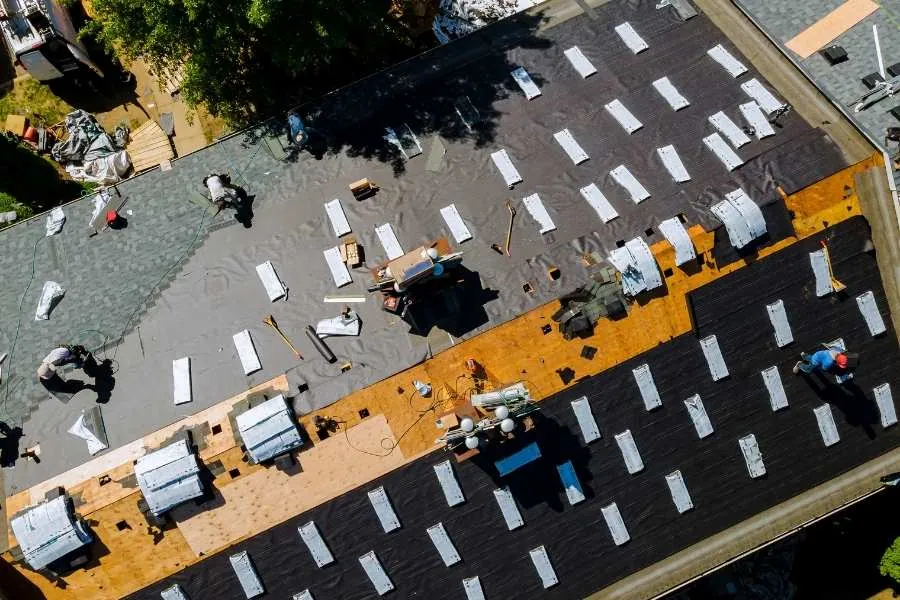
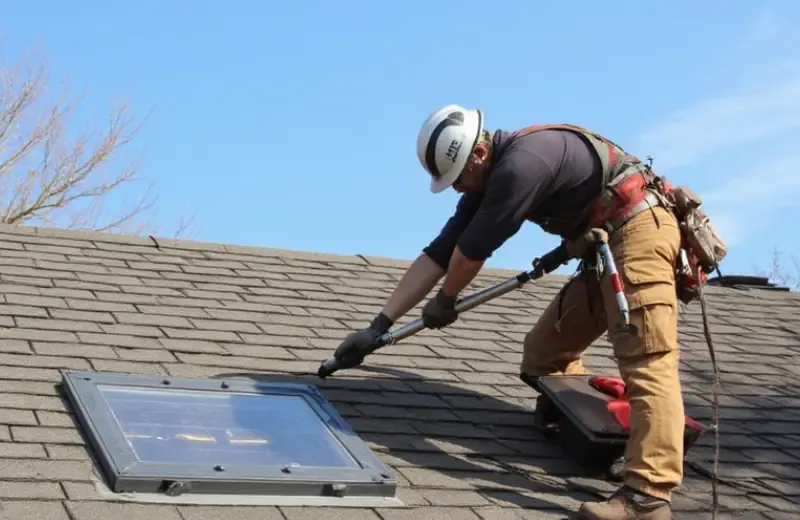
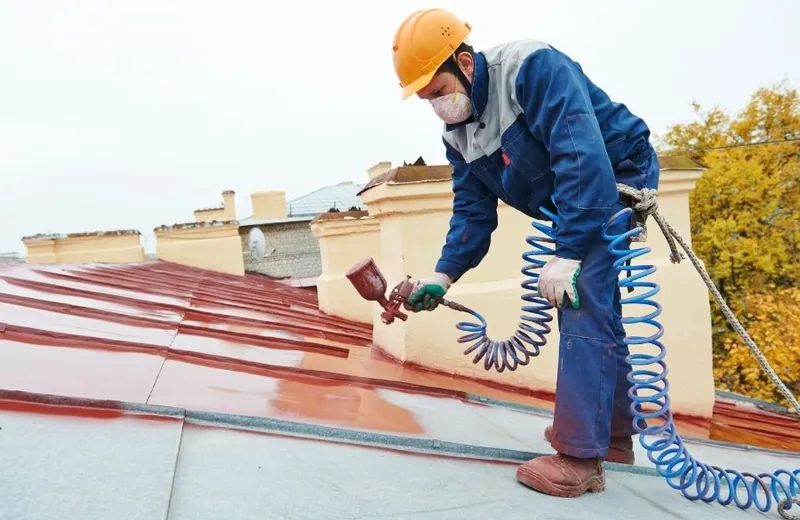
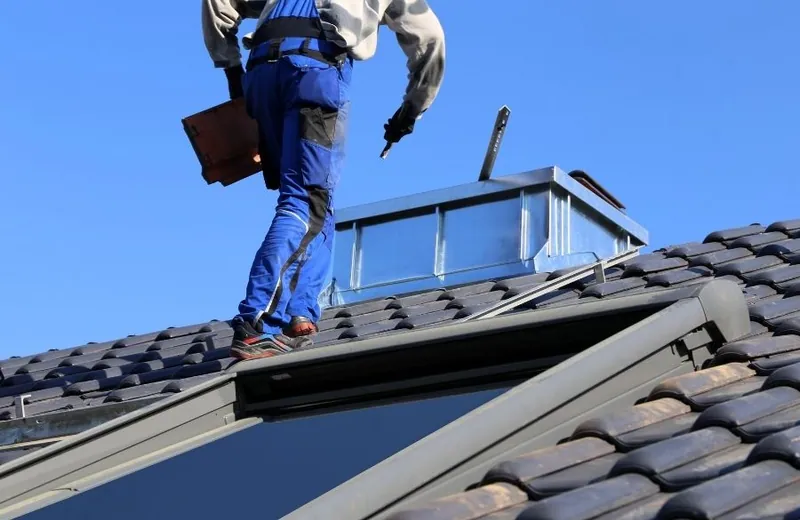
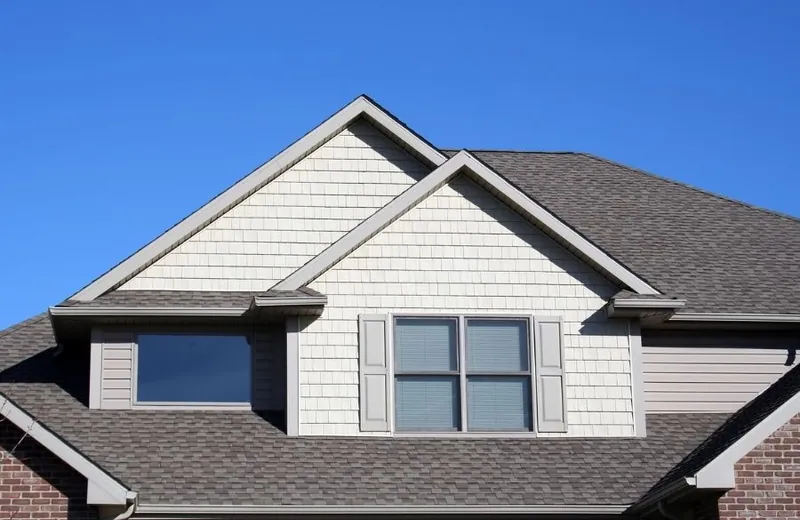
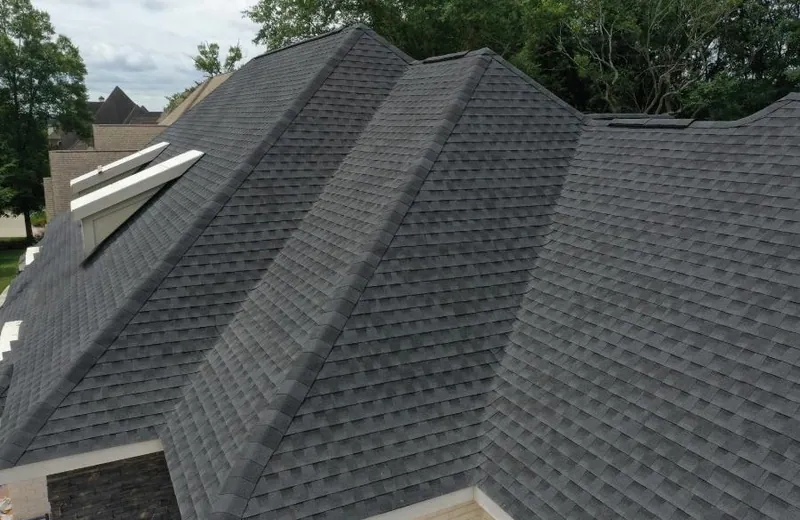
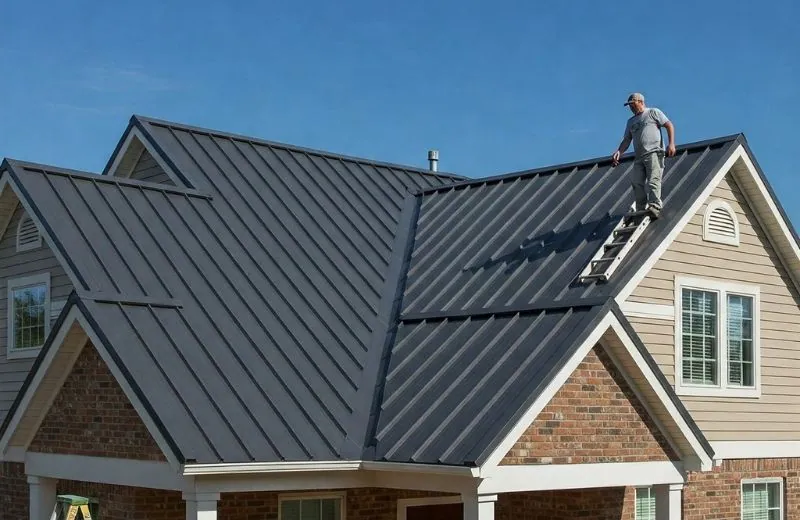
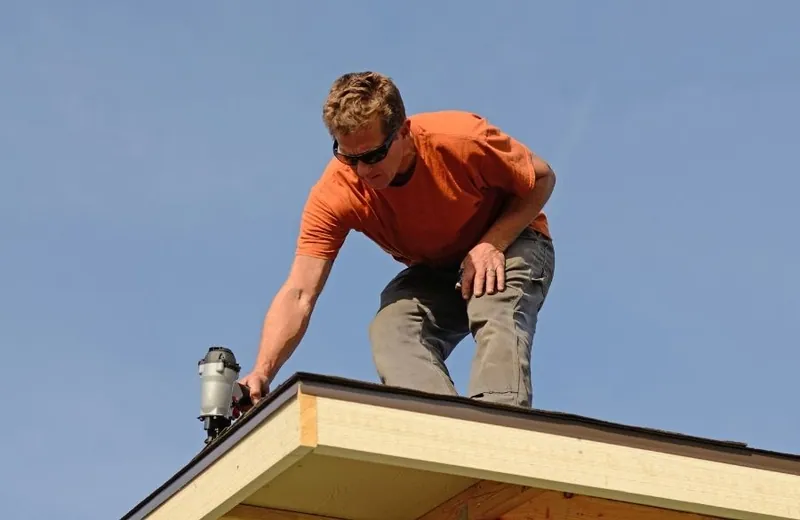
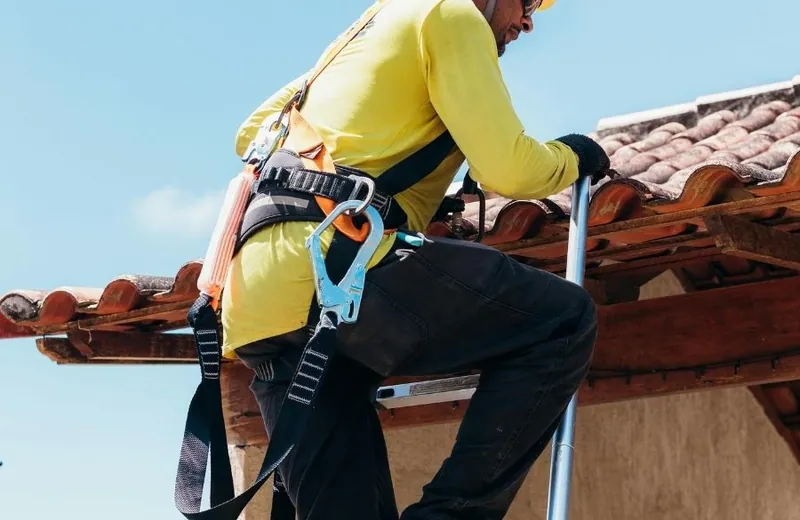
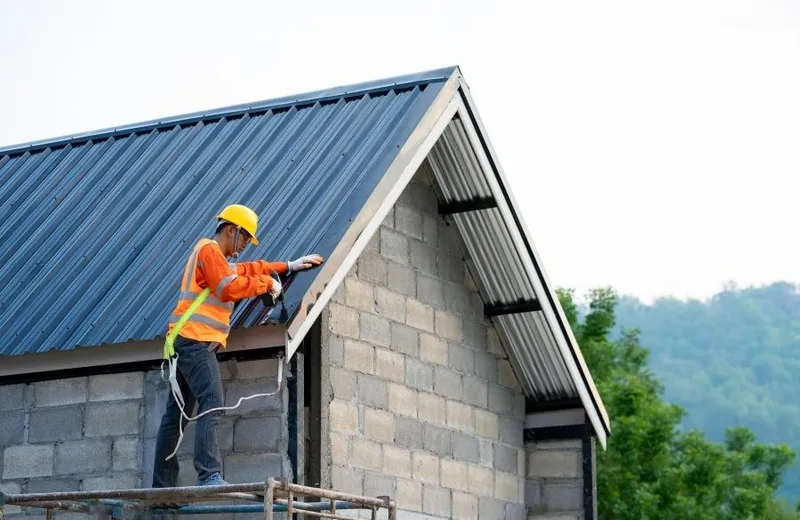
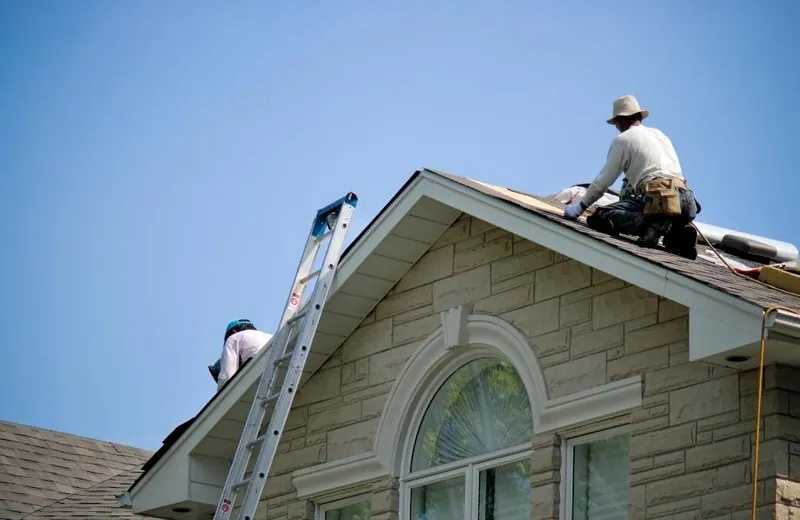
Recent roofing Projects in Lowell, MA


Roofing FAQs for Lowell Homeowners and Landlords
How much does a new roof cost in Lowell, MA?
Most asphalt shingle replacements on typical Lowell-area single-families land somewhere between about $12,000 and $25,000. Larger or more complex colonials in Westford, Chelmsford or Andover can run higher. The biggest variables are roof size, pitch, how many layers we're tearing off and whether rotted decking needs replacing. Flat EPDM or TPO roofs on triple-deckers, including porch roofs, often fall in the $14,000–$28,000 range. Metal, slate and copper cost significantly more. You'll get an itemized written proposal after a photo inspection, with decking prices listed up front, and financing is available.
How long does a roof replacement take?
Most single-family shingle replacements take one to three working days once we start. Multi-families with flat main roofs and several porch roofs, or large complex roofs with many valleys and skylights, can take longer. Weather is the wild card in New England. We won't tear off a roof with a nor'easter or a hard freeze on the way. Permit turnaround depends on the Lowell Building Department or your town's office. Spring through fall is peak season around here, so if you want to be done before winter, call by late summer.
Do I need a permit to replace my roof in Lowell?
Yes, in most cases. Re-roofing in Massachusetts generally requires a building permit under the state building code, 780 CMR, issued by the Lowell Building Department or your town's building inspector. We handle the permit filing and schedule any required inspections. If your home is in the downtown Lowell historic district, a Concord historic district or another local district, visible material changes may also need commission approval. Condo associations often have their own approval process too. We'll tell you what applies to your address before work starts.
What's the best way to prevent ice dams?
Keep the roof deck cold and give meltwater nowhere to go. That means sealing attic air leaks, adding insulation, and balancing ventilation with continuous soffit intake and a ridge vent so heat doesn't melt snow from below. Code-required ice and water shield at the eaves keeps backed-up water out if a dam does form, and every replacement we do includes it. Heat cables can help on problem eaves, especially on capes with short overhangs. Raking the first few feet of snow off after big storms also helps. Don't chip ice with a hammer, because you'll damage the shingles.
When should I call a roofer instead of waiting?
Call right away if water is coming into the house, if there's a heavy ice ridge with ceiling stains, if shingles or sections blew off in a storm, or if a limb is on the roof. Those need tarping or ice removal before more damage happens. Schedule an inspection soon if you see granules piling in gutters, curled shingles, chimney stains, sagging, or if your insurer flagged your roof's age. Waiting through one more Merrimack Valley winter with a known problem usually turns a repair into a bigger job.
Should I repair or replace my roof?
If your roof is under about 15 years old and the damage is limited to one area, like a chimney flashing leak or a few wind-damaged shingles, a repair usually makes sense. If the shingles are 20 or more years old, curling and shedding granules, or leaking in several places, putting money into repairs often doesn't pay off. That's especially true if your insurer is pushing back or you're planning solar. Two existing layers also limit your options, since code requires a full tear-off. We'll show you photos and give you an honest recommendation.
Can you replace a roof in winter?
Yes, with the right methods. Asphalt shingle sealant strips need warmth to bond, so in cold weather we hand-seal where needed, store materials carefully and schedule tear-offs around forecast windows. That way a roof is never left open overnight. Winter replacement makes sense when a roof is actively failing or an insurer won't wait until spring. Flat-roof membranes and metal roofs have their own temperature limits, which we plan around. Expect fewer workable days per week from December through February.
Do you work on triple-deckers and multi-family rental properties?
Absolutely. They're a big part of what we do in Lowell and Lawrence. We handle the full mix on these buildings: EPDM or TPO main roofs, shingled sections, stacked porch roofs, parapet flashing and chimneys. We plan dumpster placement and street coordination on narrow streets, keep entrances clear for tenants and clean up every evening. Landlords get photo documentation they can use for insurance or code-enforcement follow-up, and financing is available on larger projects.
Serving Lowell, MA & Nearby
Get Your Lowell Roof Inspected Before the Next Storm
Whether it's an ice dam soaking your ceiling, a porch roof leaking into a tenant's unit or a 25-year-old roof your insurer is worried about, we'll show you exactly where things stand and what to do next.
- ✓Photo inspection showing exactly what we found
- ✓Itemized written proposal with decking prices up front
- ✓Permit filing and inspection scheduling handled for you
- ✓Ice and water shield and balanced ventilation on every replacement
- ✓Clean job site and magnetic nail sweep every evening
- ✓Bonded and insured crews
- ✓Financing available for larger projects
⚡ Active leak, ice dam or storm damage? Call now for emergency tarping, steam ice dam removal and winter leak repair.
Bonded • Insured